He Was Terrified of Talking. Then He Taught a Nation How to Do It.

There's a particular cruelty in being afraid of the one thing you were born to do. For Dale Carnegie, that thing was talking to people.
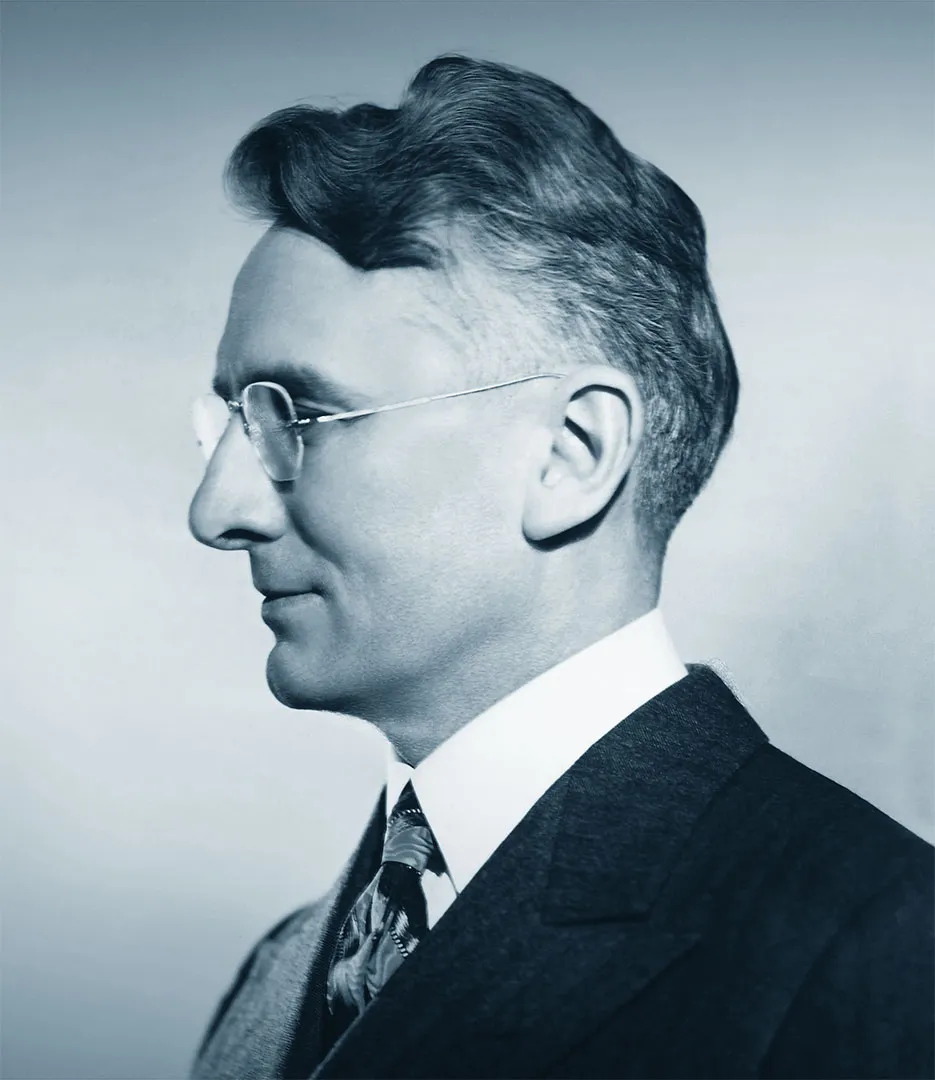 Photo: Dale Carnegie, via biografieonline.it
He grew up on a farm outside Maryville, Missouri, in the kind of poverty that doesn't leave a lot of room for confidence. His father, James, was a hog farmer who seemed to attract bad luck the way barns attract lightning. Floods wiped out crops. Debt was a permanent houseguest. Carnegie spent his boyhood in worn-out clothes, acutely aware of how little his family had compared to everyone else. That awareness followed him to school, to town, and eventually to college — where it shook his hand and sat down right next to him.
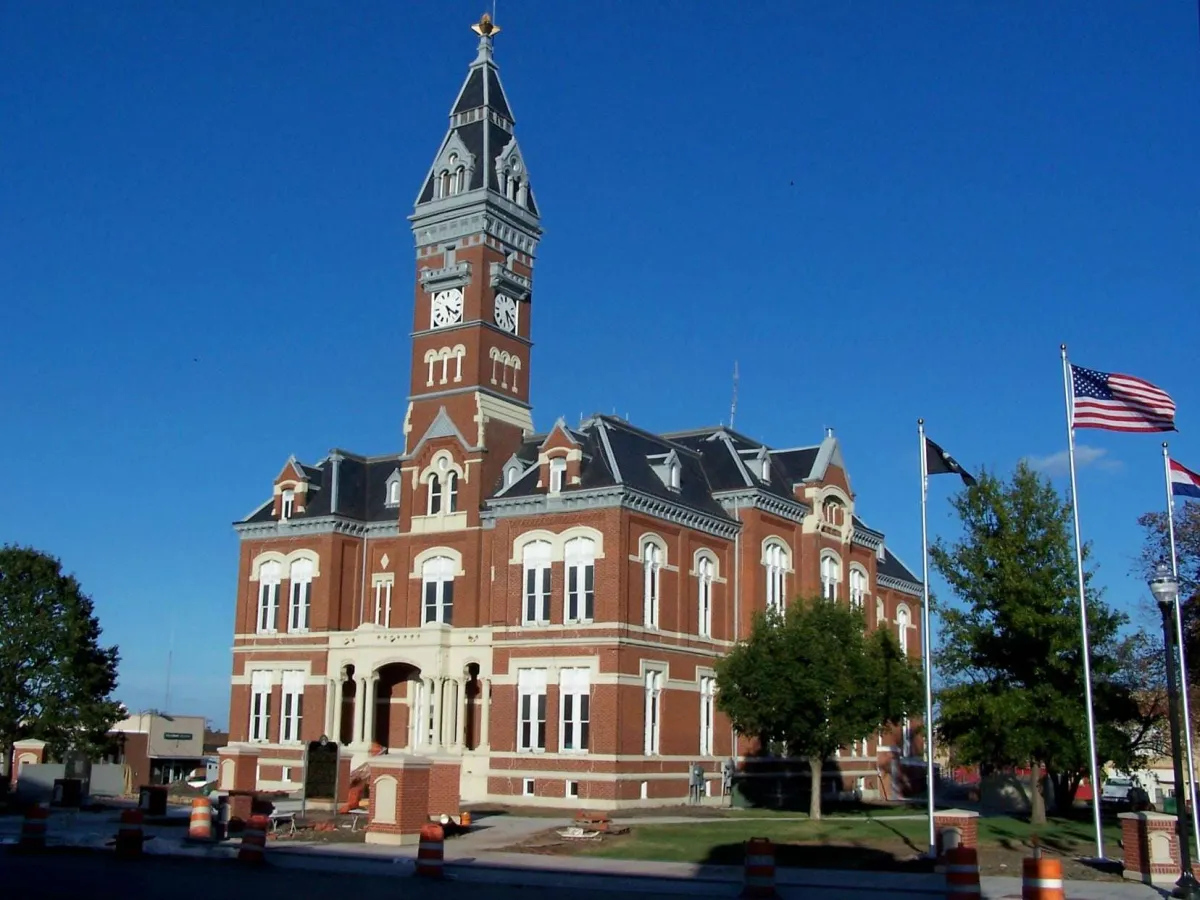 Photo: Maryville, Missouri, via bluebirdnetwork.com
At what is now Missouri State University, Carnegie watched other students join debate clubs and oratory competitions. He entered. He lost. He entered again. He lost again. And again. For two full years, he was one of the worst public speakers in his school. Not mediocre — genuinely bad. The kind of bad that makes audiences shift in their seats.
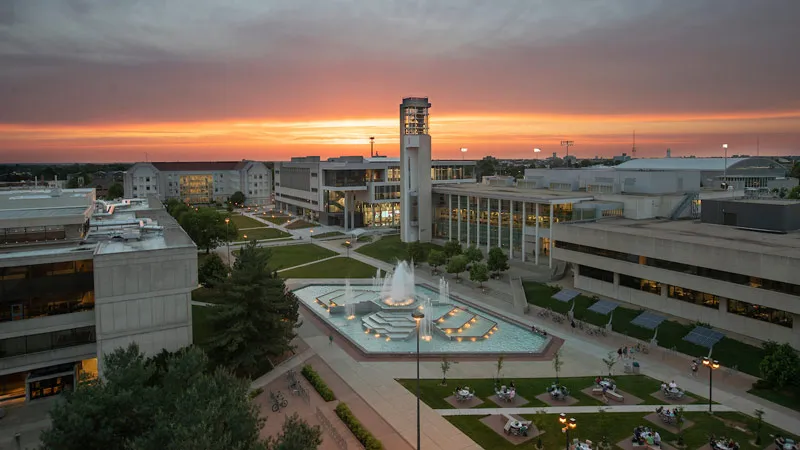 Photo: Missouri State University, via news.missouristate.edu
The Losing Streak That Built a Legend
Most people would have quietly pivoted. Carnegie doubled down.
Something stubborn lived inside him — maybe it was the farm in him, the kind of persistence you develop when you've watched your father lose everything and get back up anyway. He kept entering those competitions. He started studying the winners. He practiced speeches alone, in fields, to cows, to anyone who couldn't walk away. And slowly, almost imperceptibly, something shifted.
By the time he graduated, he was winning. Not just participating — winning. The boy who had stood red-faced and trembling before audiences was beginning to understand that public speaking wasn't a gift. It was a craft. And crafts could be learned.
But understanding something and making a living from it are two very different things. Carnegie spent his early twenties bouncing around like a pinball. He sold correspondence courses in South Dakota. He drove cattle through the Nebraska panhandle. He tried acting in New York. He sold lard and soap for Armour & Company, hauling himself across small towns in a wagon, knocking on doors. He was good at it — good enough to become one of Armour's top salespeople in his territory — but it wasn't the life he wanted.
The Night Class That Changed Everything
In 1912, broke and restless in New York City, Carnegie walked into the YMCA on 125th Street and proposed something unusual. He wanted to teach a class in public speaking and human relations. The YMCA said they'd let him try — but they wouldn't pay him a flat rate. He'd get a percentage of whatever the class brought in.
The first night, he improvised. He hadn't prepared a formal curriculum, so he did the most natural thing he could think of: he asked his students to stand up and talk about something that made them angry. The room came alive. People who had been trembling with nerves suddenly found their voices when the subject was personal. Carnegie had stumbled onto something real — that authentic emotion was the engine of effective communication.
The class filled up. Then it overflowed. Word spread that this lanky, enthusiastic instructor from Missouri had a way of getting ordinary people to sound extraordinary. He wasn't teaching them to perform. He was teaching them to be more genuinely themselves.
By the 1930s, Carnegie had refined his approach into a full course that corporations were paying handsomely to run for their executives. He'd also started writing. His notes, his observations, his thousands of conversations with students across two decades — all of it was crystallizing into something.
The Book Nobody Expected to Last
When How to Win Friends and Influence People was published in 1936, it hit the market during the Great Depression — a moment when millions of Americans were desperate for any edge they could find. The book didn't offer financial advice or technical skills. It offered something stranger and more durable: a manual for human connection.
Publishers expected modest sales. They printed 5,000 copies. Within a few months, it had sold 250,000. Within a year, it was a cultural phenomenon. It has never gone out of print.
What made it land so hard? Partly the timing. Partly the practical, story-driven style that made it feel less like a lecture and more like advice from a wise friend. But mostly, it was the credibility of the author. Carnegie wasn't writing from a position of natural ease and social confidence. He was writing from the other side of a long, painful struggle. Every principle in that book had been tested against his own fear.
The Weakness That Became the Credential
Here's the thing about Carnegie that gets lost in the mythology: his greatest qualification for teaching people to communicate wasn't that he was naturally gifted. It was that he had been genuinely terrible at it and figured out why.
The shy farm kid who couldn't hold an audience for thirty seconds had been forced to examine the mechanics of connection more carefully than anyone who'd been born charming ever would. He knew where the fear lived. He knew the exact moment a speaker lost a room. He knew it because he had lived it, over and over, until he understood it from the inside.
By the time he died in 1955, Dale Carnegie had trained more than 450,000 people through his courses. The book that made him famous had sold millions of copies and been translated into dozens of languages. The organization he built — Dale Carnegie Training — still operates in more than 80 countries today.
Not bad for a hog farmer's son who once stood in front of an audience and forgot how to speak.
Some people overcome their fears. Carnegie did something rarer. He turned his into a philosophy that outlasted him by generations — proof that the thing that breaks you, if you refuse to let it, can become the thing that defines you.