The Mountain Man Who Heard Money: How a Blind Trader From Appalachia Outplayed Wall Street's Best

The Sound of Success
In the hollers of eastern Tennessee, where the nearest traffic light was forty miles away and dial-up internet was still a luxury in 2005, Jimmy Ray Hutchins was doing something that should have been impossible. Sitting at a kitchen table covered in Braille printouts and wearing headphones connected to a modified computer, he was consistently beating Wall Street's finest at their own game.
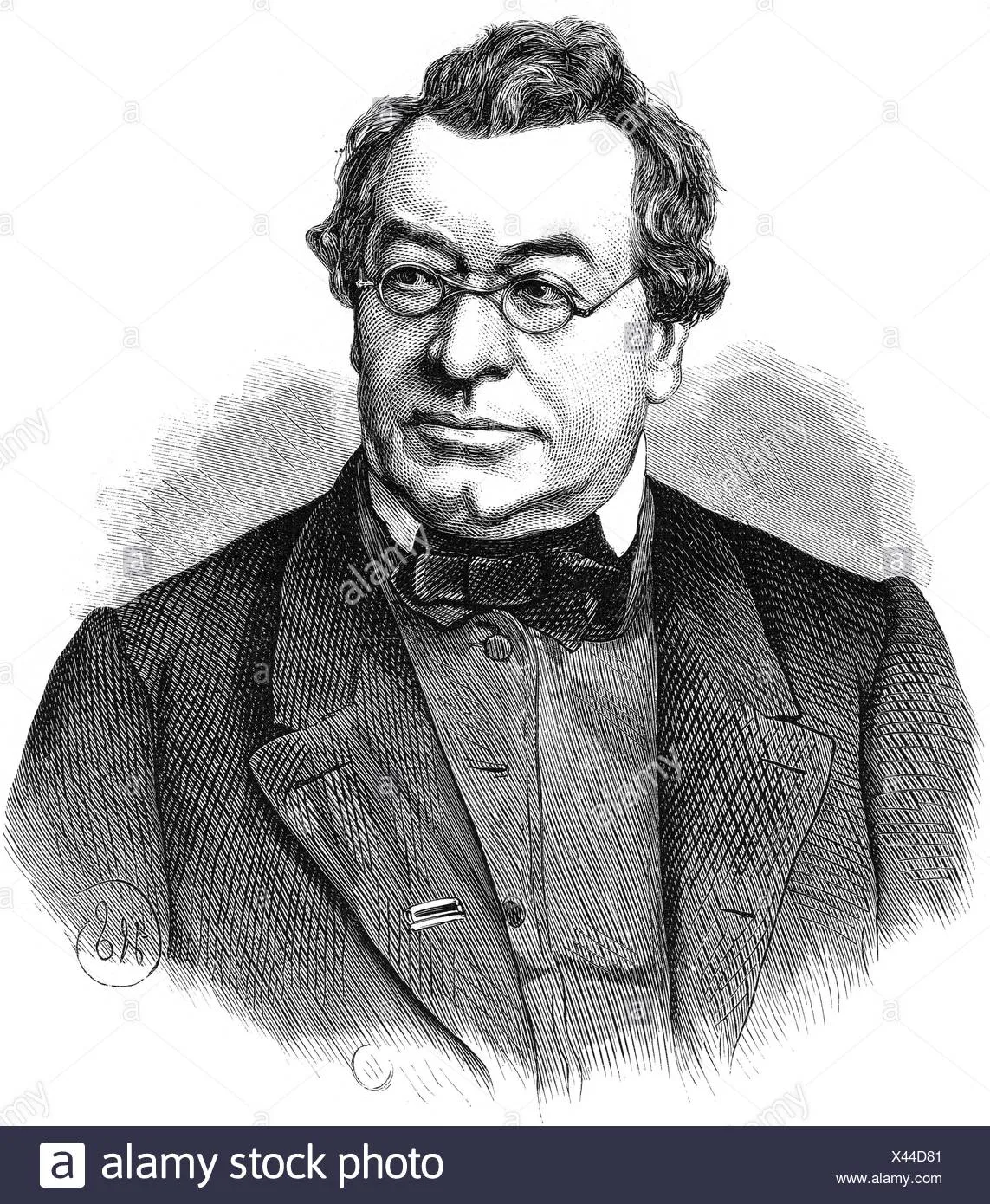 Photo: Jimmy Ray Hutchins, via c8.alamy.com
Hutchins had been blind since age twelve, when a mining accident took both his sight and his father's life. While other kids his age were learning algebra, he was learning to navigate a world that suddenly made no visual sense. What he didn't know then was that this forced adaptation would eventually give him the most valuable skill an investor could possess: the ability to truly listen.
When Seeing Becomes a Liability
Most investors are drowning in visual noise—charts, graphs, talking heads on CNBC, the mesmerizing dance of green and red numbers across multiple screens. Hutchins had none of that distraction. Instead, he developed what he called "market ears," a method of analyzing stock movements through audio patterns that converted price data into sound.
"When a stock's moving up steady, it sounds like a train climbing a hill," he once explained to a reporter who'd driven six hours into the mountains to understand his methods. "When it's about to crash, there's this wobble in the sound—like a wheel coming loose. Most folks are too busy watching to hear it coming."
The system wasn't sophisticated by Silicon Valley standards. Hutchins used basic text-to-speech software that read market data aloud, combined with a tactile board where he tracked patterns with pins and rubber bands. But what looked primitive was actually revolutionary—he was processing information through senses that most traders had forgotten they possessed.
The Breakthrough Nobody Saw Coming
Hutchins' moment of recognition came in 2008, when his audio-based analysis led him to short several major financial stocks weeks before the housing market collapsed. While professional analysts were still recommending "buy" ratings on companies that would soon need government bailouts, the man from Tennessee was quietly positioning himself to profit from their downfall.
His returns that year—over 400%—caught the attention of a small investment firm in Nashville. They offered him a consulting contract, thinking his success was lucky timing. It wasn't. Over the next three years, Hutchins' unconventional methods consistently outperformed the firm's traditional analysts.
"Jimmy taught us that we'd been looking at markets all wrong," said Sarah Chen, the firm's former managing partner. "We were so focused on what we could see that we missed what we could hear, feel, even smell in the data. He made us realize that intuition isn't the opposite of analysis—it's what happens when analysis becomes so natural you don't have to think about it anymore."
 Photo: Sarah Chen, via imageservice.ecom-api.beck-shop.de
The Wisdom of Forced Perspective
What made Hutchins extraordinary wasn't just his blindness—it was how he'd transformed a devastating limitation into an analytical superpower. Unable to rely on the visual shortcuts that trap most investors, he'd developed a patience and attention to detail that professional traders, racing from one screen to another, simply couldn't match.
His approach revealed something profound about expertise: sometimes the biggest advantage comes not from having more information, but from being forced to process the same information differently. While Wall Street was building ever-more-complex visual displays, Hutchins was proving that the most important market signals might not be visible at all.
Beyond the Mountains
By 2015, Hutchins had quietly accumulated enough wealth to buy most of his hometown—though he chose instead to fund a small investment education program for rural communities. He believed that people who'd learned to read the subtle signs of weather, crops, and seasons already possessed the pattern-recognition skills that made great investors.
"City folks think the market's complicated because they make it complicated," he said. "But reading a stock chart ain't much different from reading the sky for rain. You just got to know what to listen for."
Today, some of the techniques Hutchins pioneered—audio-based market analysis and tactile data visualization—are being studied by major investment firms. But the man himself remains in Tennessee, still trading from that same kitchen table, still proving that the best view of the market might come from someone who never saw it at all.
His story reminds us that in a world obsessed with having more data, seeing more angles, and processing more information, sometimes the greatest insight comes from those forced to work with less—but who've learned to make that less into something profoundly more.