The Man Who Couldn't Hold a Job
In 1924, William Faulkner was a twenty-seven-year-old failure living in his childhood bedroom in Oxford, Mississippi. He'd been fired from his job as postmaster at the University of Mississippi for reading magazines instead of sorting mail. Before that, he'd tried house painting (quit after two days), bank work (let go for daydreaming), and various other positions that never seemed to stick.
 Photo: Oxford, Mississippi, via blog.nationallife.com
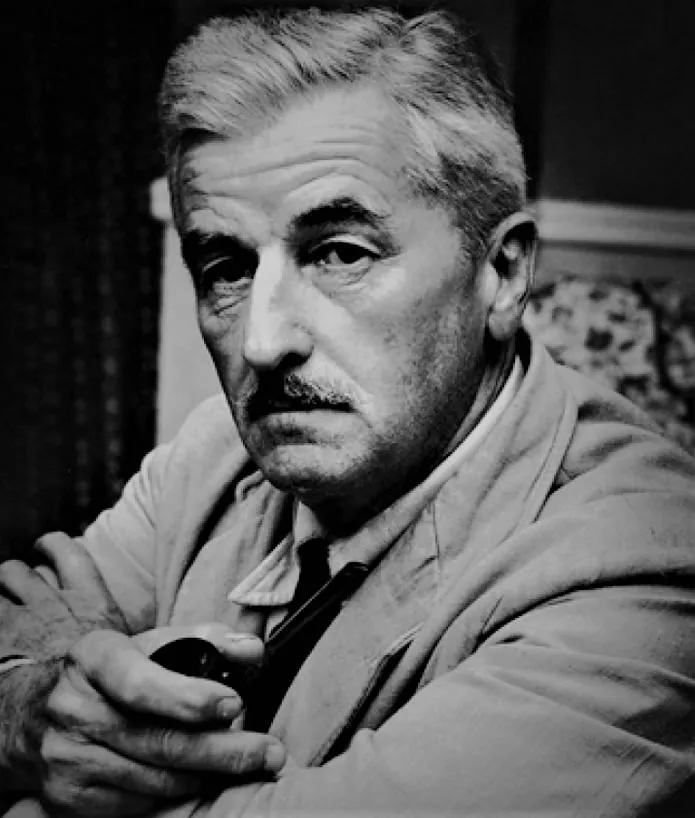 Photo: William Faulkner, via www.best-poems.net
His neighbors in Lafayette County had a name for young Billy Faulkner: "Count No 'Count." They watched him wander around town in his worn clothes, scribbling in notebooks, and figured he'd never amount to much. What they didn't know was that his inability to fit into normal jobs was preparing him to reinvent American literature.
Rejection Letters from the Capital of Culture
While Faulkner struggled to find work in Mississippi, his manuscripts were making their own unsuccessful journey through New York publishing houses. Editor after editor sent back polite but devastating rejections. His early novel "Flags in the Dust" was deemed "too regional" and "uncommercial." His short stories were "too difficult" for magazine readers.
One editor at Scribner's wrote: "Mr. Faulkner's work shows promise, but his style is too experimental and his subject matter too limited to Southern concerns for our national readership."
What these Manhattan gatekeepers missed was that Faulkner's "limitations" were actually his greatest strengths. His deep roots in Mississippi soil and his outsider's perspective on American society were giving him access to truths that the literary establishment couldn't see.
The University Dropout Who Became His Own Professor
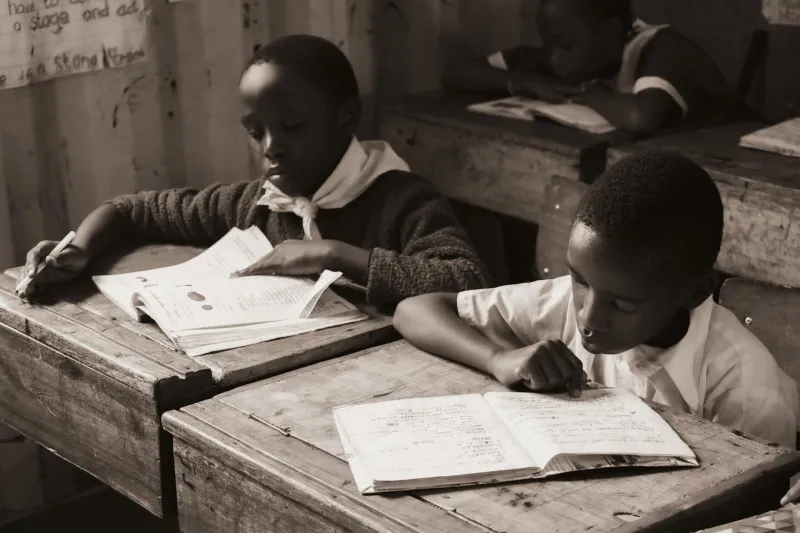
Faulkner had dropped out of high school and lasted barely a year at the University of Mississippi before academic life proved too confining. But his real education was happening in the most unlikely classroom: the town square of Oxford, Mississippi.
Every day, he'd sit on benches and listen to Civil War veterans tell stories, absorb the rhythms of Southern speech, and observe the complex social dynamics of a region still haunted by its past. While his former classmates studied literature in college courses, Faulkner was living inside the raw material that would become his greatest novels.
"I learned more about writing from listening to old men talk about the war than I ever could have in any classroom," he later said. "They knew how to tell a story that mattered."
The Genius of Geographic Exile
Being stuck in Mississippi while the literary world centered itself in New York turned out to be Faulkner's secret advantage. He was close enough to American culture to understand it, but far enough away to see it clearly. His physical and cultural distance from the publishing centers gave him a perspective that writers in Manhattan couldn't achieve.
From his small-town vantage point, Faulkner could see the whole sweep of American history — slavery, civil war, reconstruction, and the modern South — playing out in the lives of his neighbors. What looked like regional limitation to New York editors was actually a microscopic view of universal human experience.
When Strange Becomes Brilliant
By 1929, Faulkner had published "The Sound and the Fury," a novel so experimental and challenging that most critics didn't know what to make of it. Written from the perspective of a mentally disabled character and employing stream-of-consciousness techniques that seemed almost impossible to follow, it was everything the editors had warned against: difficult, regional, and utterly uncommercial.
It was also a masterpiece.
The same qualities that had gotten Faulkner rejected — his experimental style, his deep Southern roots, his refusal to write for easy consumption — had produced something entirely new in American literature. He wasn't just telling stories; he was inventing new ways to tell them.
The Substitute Teacher Who Changed Everything
While working various odd jobs to pay the bills, Faulkner occasionally substitute taught at local schools. Students remembered him as distracted and unusual, more interested in observing their behavior than actually teaching lessons. But those classroom observations were feeding into his understanding of human nature and social dynamics.
"He'd watch us like we were specimens," one former student recalled. "We thought he was weird, but he was studying how people really acted when they thought nobody important was watching."
That outsider's perspective — the ability to observe without being fully part of what he was observing — became central to Faulkner's genius as a writer.
From Oxford, Mississippi to Stockholm, Sweden
In 1950, William Faulkner received a telegram that stunned Oxford, Mississippi: he'd won the Nobel Prize in Literature. The drifter who couldn't hold a regular job, the writer whose manuscripts had been rejected as too strange and regional, was being honored as one of the greatest literary voices in the world.
The Nobel Committee specifically praised his creation of "Yoknapatawpha County" — the fictional Mississippi setting that publishers had once dismissed as too limited. What they now recognized was that Faulkner had used his small corner of the South to illuminate universal truths about human nature, history, and the American experience.
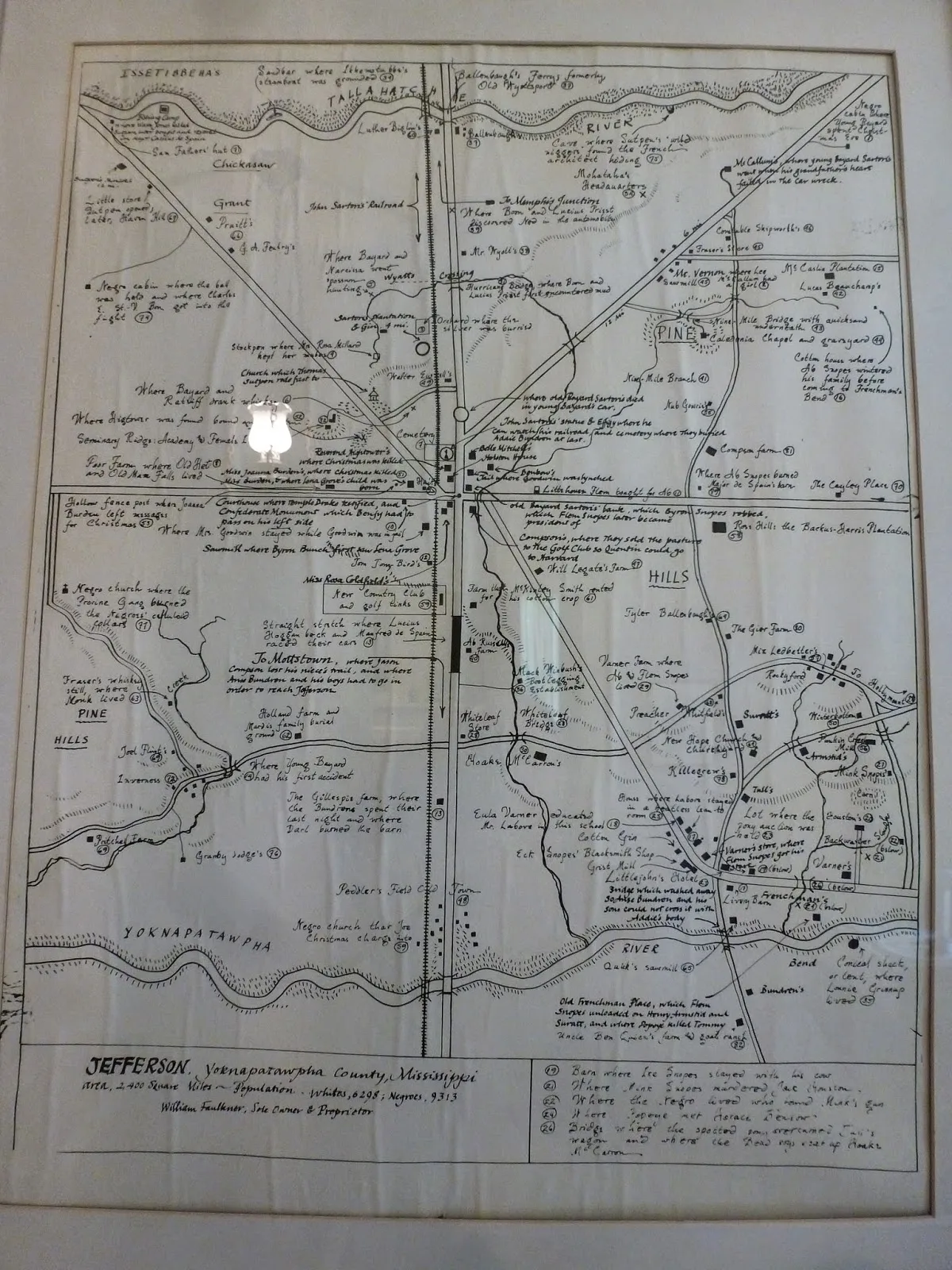 Photo: Yoknapatawpha County, via 3.bp.blogspot.com
The Outsider Advantage
Faulkner's story reveals something crucial about creativity and innovation: sometimes being excluded from the mainstream is the greatest gift an artist can receive. His geographic isolation from literary centers, his class status as a small-town eccentric, and his rejection by established publishers all contributed to developing a voice that was completely his own.
"I never wanted to write like anyone else," Faulkner once said. "I wanted to write like myself, even if nobody else understood it at first."
The man who was too strange for New York publishers became the writer who showed American literature what it could be when it stopped trying to be acceptable and started trying to be true. His outsider status wasn't a barrier to greatness — it was the very thing that made greatness possible.