When Punishment Becomes Purpose
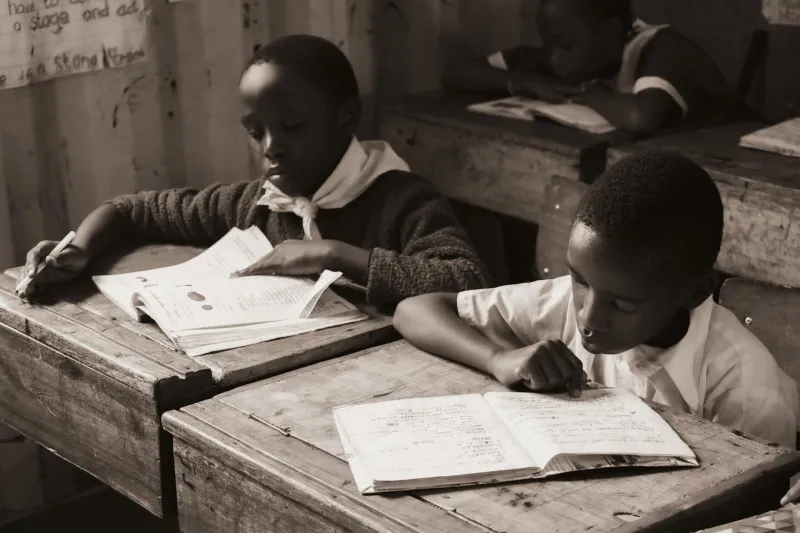
The principal's office at Colored High and Training School in Baltimore had seen plenty of troublemakers, but young Thurgood Marshall was becoming a regular. It was 1921, and the lanky teenager had a mouth that wouldn't quit and a talent for stirring up his classmates. Fed up with the usual punishments, Principal Mason decided to try something different.
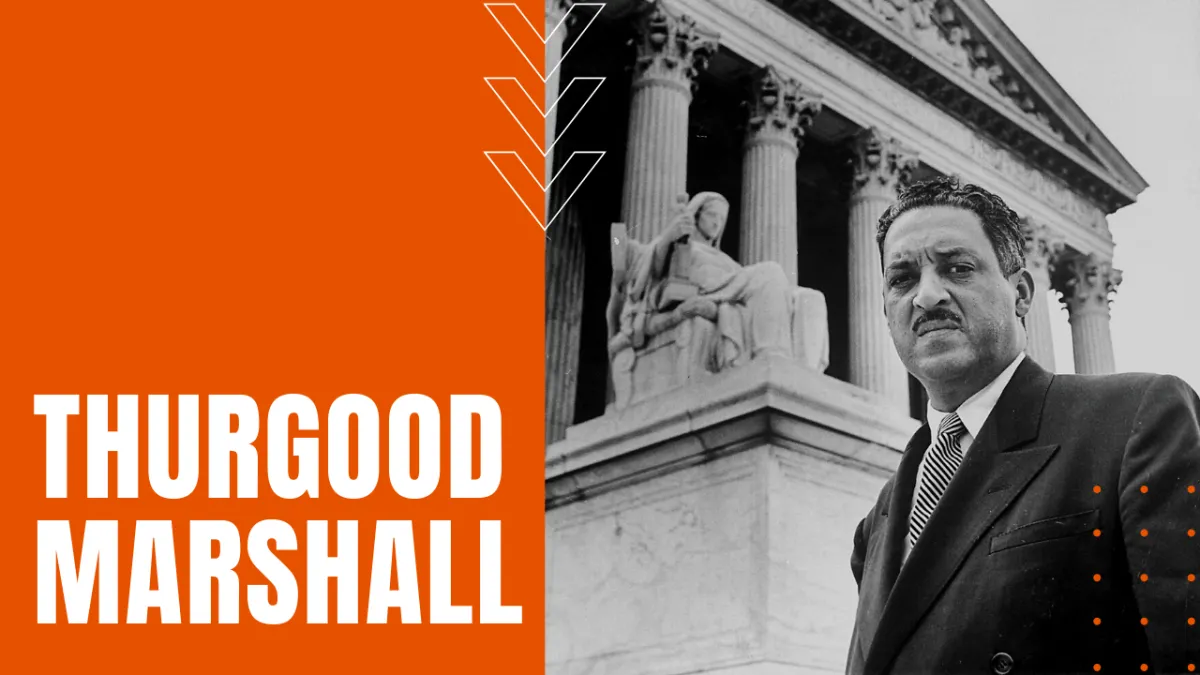 Photo: Thurgood Marshall, via dailydosedocumentary.com
"You're going to sit in the basement and copy the Constitution," he told Marshall. "All of it. And you're not leaving until you're done."
What Principal Mason didn't know was that he'd just handed the future architect of American civil rights the blueprint for everything he'd accomplish.
Dinner Table Law School
But Marshall's real legal education didn't happen in any classroom. It happened every night at 1632 Division Street, where his father William turned the family dinner table into an informal courtroom. William Marshall worked as a waiter at an all-white country club, but at home, he was Baltimore's most passionate amateur lawyer.
"My father never told me to become a lawyer," Marshall would later recall, "but he turned me into one by simply arguing with me about everything."
Every evening brought a new case to the Marshall household. Whether it was debating the merits of Babe Ruth versus Ty Cobb or dissecting the latest news from Washington, William Marshall demanded that his sons present evidence, make logical arguments, and defend their positions. Young Thurgood learned that every statement needed backing, every claim required proof, and every argument had two sides.
The Corner Store Constitution
While other kids spent their afternoons playing stickball, Marshall found himself drawn to Mr. Charlie's corner store, where Baltimore's Black intellectuals gathered to debate everything from Marcus Garvey to local politics. The teenager who'd memorized the Constitution as punishment now had it living in his head, and he wasn't shy about quoting it.
"That boy knows more about the law than half the lawyers downtown," Mr. Charlie would tell customers as Marshall held court among the penny candy and newspapers.
It was here, surrounded by longshoremen, teachers, and shop owners, that Marshall learned something no law school could teach: how constitutional principles translated into real people's lives. When Mrs. Johnson complained about being turned away from the white hospital, or when Mr. Williams described being passed over for promotion despite his qualifications, Marshall began connecting their stories to the words he'd memorized in that basement.
The Mischief That Built a Mind
Marshall's mother, Norma, watched her son's transformation with a mixture of pride and concern. The boy who'd been sent to the principal's office for disrupting class was now disrupting dinner conversations with constitutional citations. But she recognized something profound happening.
"Thurgood was always asking 'why,'" she remembered years later. "Why couldn't we go to that beach? Why couldn't we eat at that restaurant? And his father never told him to stop asking."
That relentless questioning, combined with his growing mastery of constitutional law, was creating something unprecedented: a teenager who understood both the promise of American democracy and its failures.
From Baltimore to History
By the time Marshall graduated from high school, the Constitution wasn't just something he'd memorized — it was something he believed in with the fervor of a convert. His punishment had become his purpose, his mischief had become his mission.
When he finally stood before the Supreme Court in 1954 to argue Brown v. Board of Education, Marshall wasn't just drawing on his Harvard Law degree or his years with the NAACP. He was channeling every dinner table debate with his father, every constitutional discussion at Mr. Charlie's store, and every word he'd copied in that school basement as a troublemaker who wouldn't stop asking questions.
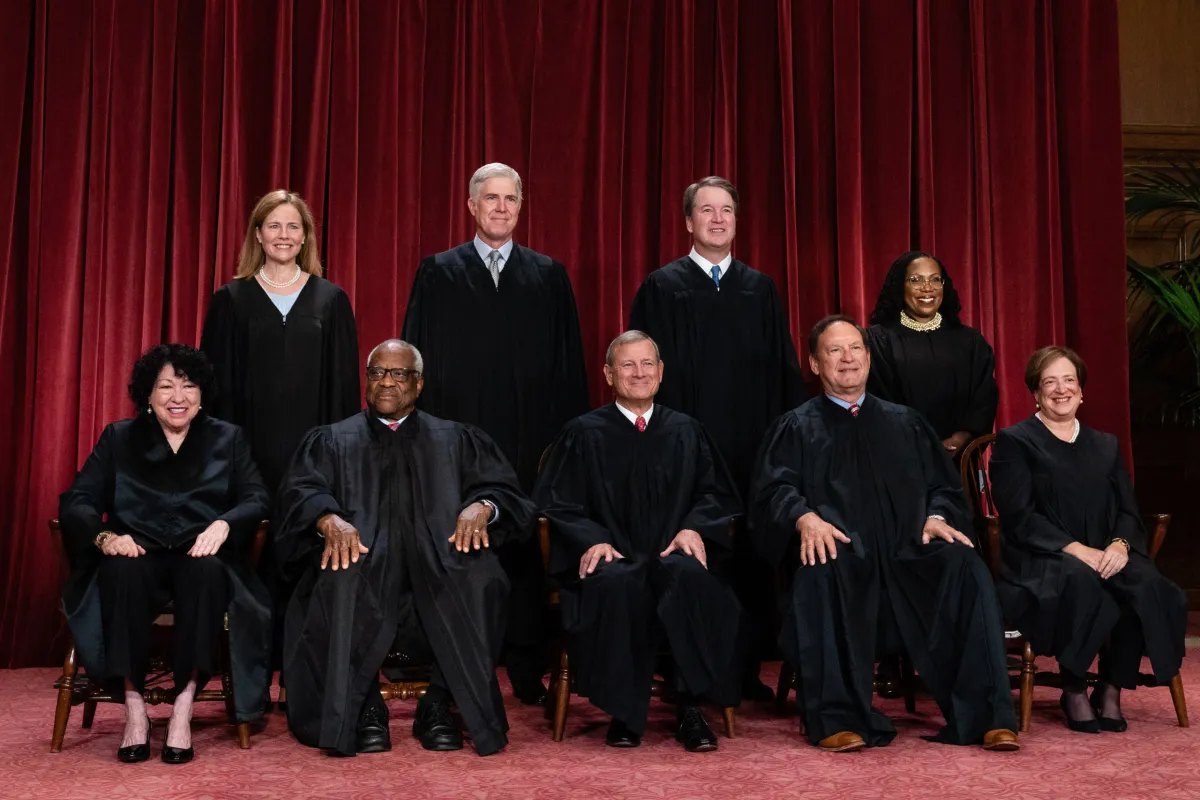 Photo: Supreme Court, via media.knewz.com
The Ordinary Moments That Make History
Thurgood Marshall's story reminds us that greatness often begins in the most mundane places. A principal's creative punishment, a father's dinner table arguments, a corner store's informal debates — these weren't preparation for history. They were history being made, one conversation at a time.
The boy who memorized the Constitution because he couldn't stay out of trouble grew up to use those same words to tear down the legal foundation of segregation. Sometimes the most important education happens not in classrooms, but in basements, around dinner tables, and in the corner stores where ordinary people dare to dream of extraordinary change.
Marshall's childhood teaches us that character isn't built in grand moments, but in the accumulation of small ones — in the questions we're brave enough to ask, the arguments we're willing to have, and the principles we choose to memorize, even when they start as punishment.