The Sound of Everything
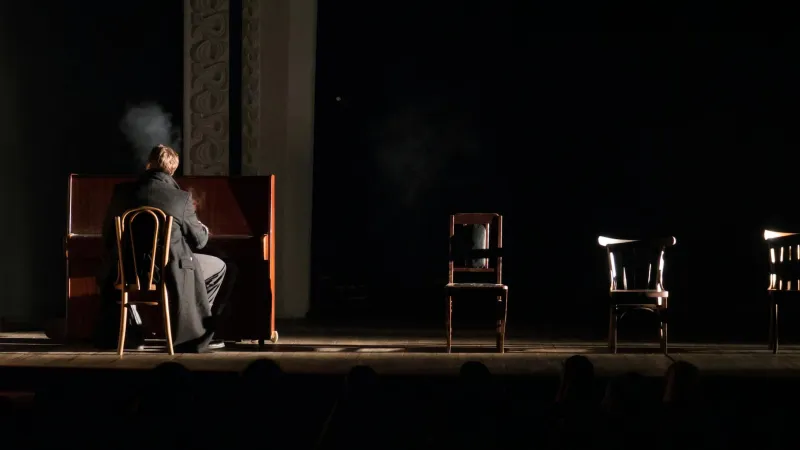
In 1849, on a Georgia plantation, a four-year-old slave child named Thomas Wiggins sat down at his master's piano and began playing a complex piece he had heard just once. The white family stood frozen, trying to understand what they were witnessing. The boy was blind, had never been taught music, and according to the medical understanding of the time, was considered "mentally defective."
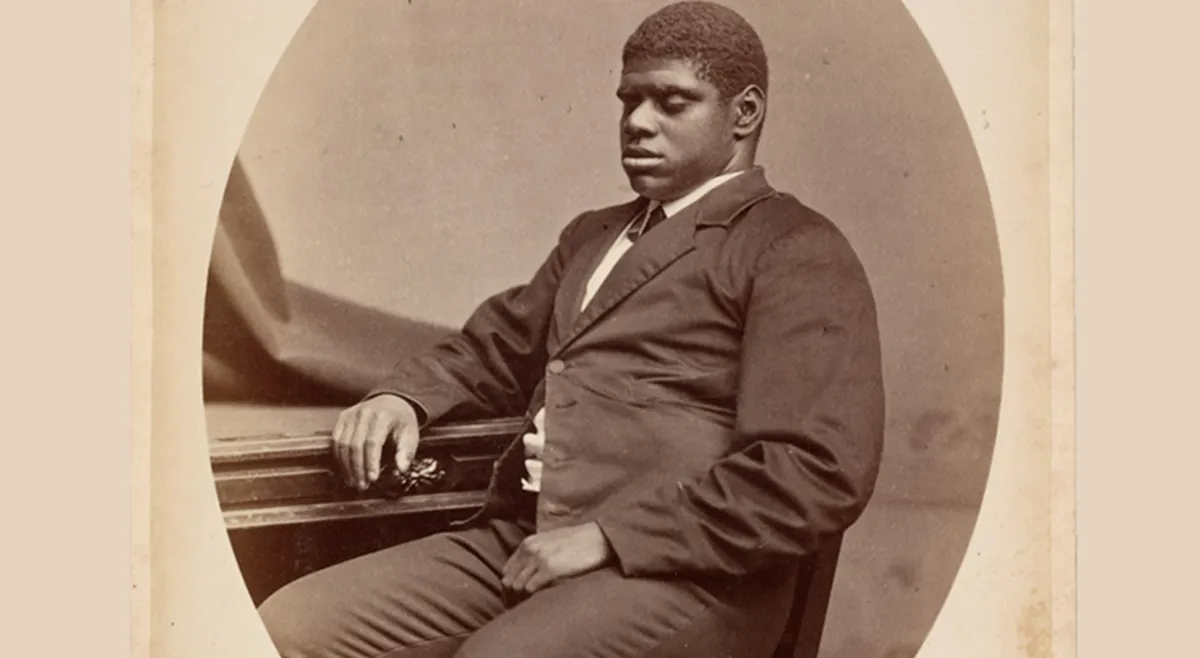 Photo: Thomas Wiggins, via www.perkins.org
But Thomas could hear everything—every note, every rhythm, every subtle variation in a piece of music. More than that, he could reproduce it perfectly, as if his fingers had memorized not just the melody but the very soul of the composition.
This was the beginning of one of the most extraordinary and tragic musical careers in American history.
The Plantation Conservatory
Thomas lived in a world designed to limit every aspect of his existence. Enslaved people weren't supposed to read, weren't supposed to learn, certainly weren't supposed to master the refined arts that defined white culture. But music doesn't follow the rules that humans create.
The Bethune plantation had a piano, and somehow, despite all the restrictions placed on his life, Thomas found his way to it. What happened next challenged every assumption about intelligence, ability, and the nature of musical genius itself.
Without lessons, without sheet music, without any formal instruction, Thomas developed abilities that trained musicians couldn't explain. He could play a piece forward and backward. He could perform two different songs simultaneously, one with each hand. He could compose original works that demonstrated sophisticated understanding of musical structure.
His master, James Bethune, quickly realized he owned something unprecedented: a human being whose musical abilities seemed to transcend the normal boundaries of human capability.
 Photo: James Bethune, via guilfordortho.com
The Exhibition Circuit
By the 1850s, Thomas was being exhibited across the South and eventually the North, billed as "Blind Tom," a musical curiosity that drew crowds hungry for spectacle. The advertisements were a mixture of genuine amazement and degrading exploitation, describing him as both a "musical phenomenon" and a "human oddity."
Audiences came expecting to see a freak show. What they encountered instead was artistry that forced them to confront their own assumptions about intelligence, race, and the source of creative genius.
Thomas would take requests from the audience—any piece, no matter how complex—and reproduce it flawlessly after a single hearing. He performed works by Chopin, Liszt, and Beethoven with the same ease that he played popular songs of the day. But perhaps most remarkably, he began composing original pieces that revealed a musical mind of extraordinary sophistication.
Presidential Performances
By the 1860s, Thomas's reputation had reached the highest levels of American society. He performed for President James Buchanan at the White House, and later for Presidents Lincoln and Johnson. These weren't charity performances or political stunts—they were recognition that Thomas had achieved something that transcended the social categories that normally defined a person's possibilities.
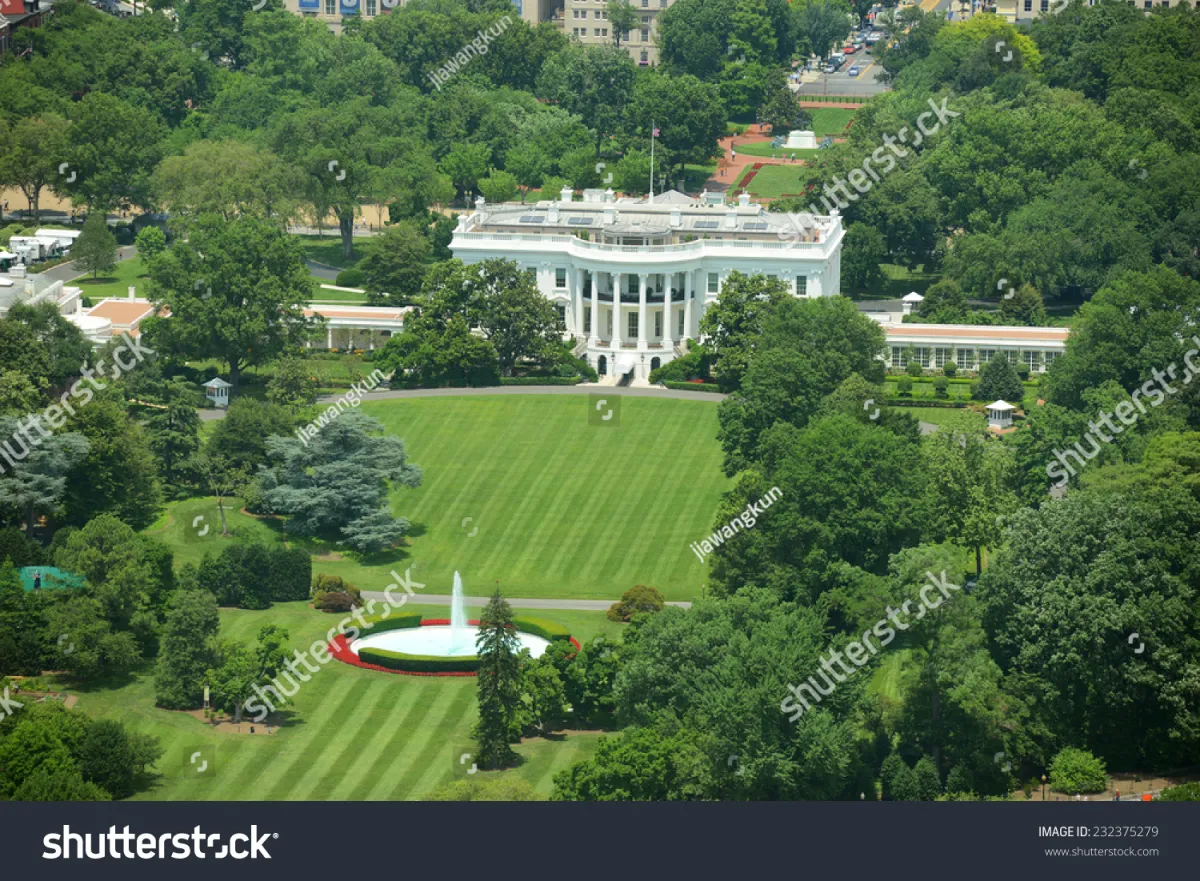 Photo: White House, via www.shutterstock.com
Here was an enslaved man, considered mentally disabled by the medical standards of his time, performing for the most powerful people in America. The contradiction was so stark that it forced everyone who witnessed it to question their fundamental beliefs about human capability and social hierarchy.
Thomas's performances for presidents represented more than musical achievement—they were cracks in the foundation of a society built on the assumption that some people were inherently inferior to others.
The Tragedy of Genius
But Thomas's story also reveals the brutal reality of what happened when extraordinary ability existed within a system designed to exploit rather than nurture. Despite his fame and the enormous amounts of money his performances generated, Thomas remained enslaved until the Civil War, and even after emancipation, he was controlled by guardians who treated him more like property than person.
He never learned to read music, not because he couldn't, but because no one bothered to teach him. He never received formal musical education, not because he didn't deserve it, but because the society around him couldn't imagine why a person like him would need such training.
The same society that marveled at his abilities also ensured that he remained dependent on others for basic life decisions. Thomas's genius was celebrated, but his humanity was largely ignored.
Music as Universal Language
What Thomas proved, through decades of performances that left audiences stunned, was that musical genius operates by its own rules. It doesn't require formal education, doesn't depend on social status, doesn't need permission from institutions or authorities.
His ability to reproduce any piece of music after a single hearing suggested that his mind processed musical information in ways that formal training might actually have inhibited. He wasn't trying to follow the rules of composition—he was responding to music as a living language that he understood intuitively.
This wasn't just memorization or mechanical reproduction. Thomas's performances demonstrated musical understanding that went beyond technique to something approaching musical telepathy.
The Unwritten Scores
Perhaps the greatest tragedy of Thomas's story is that most of his original compositions were never written down. The musical ideas that emerged from one of the most extraordinary musical minds in American history existed only in performance, disappearing the moment the last note faded.
We can only imagine what American music might have become if Thomas had been given the support and recognition that his abilities deserved. Instead of being exhibited as a curiosity, what if he had been nurtured as the musical genius he clearly was?
Legacy of the Impossible
Thomas "Blind Tom" Wiggins died in 1908, having spent his entire life as living proof that human potential operates by rules that society doesn't understand and can't control. His story challenges every comfortable assumption about where genius comes from and what it requires to flourish.
He proved that extraordinary ability can emerge from the most unlikely circumstances, that creativity finds a way even when every door appears to be locked, that the human spirit contains possibilities that no system of oppression can completely suppress.
In the end, Thomas's legacy isn't just musical—it's a reminder that greatness doesn't wait for permission and doesn't require credentials. Sometimes it just sits down at a piano and begins to play, transforming everyone who hears it, one impossible note at a time.