Midnight Jokes and Million-Dollar Dreams: The Dishwashers Who Built Late-Night TV

The Napkin That Started It All
David Letterman was washing dishes at a pizza joint in Indianapolis when he scribbled seven words that would change television forever: "Stupid Pet Tricks — but make them really stupid." The napkin was greasy, the handwriting barely legible, and the idea seemed ridiculous. Twenty years later, those seven words had spawned a television empire.
 Photo: David Letterman, via i4.fapality.com
Letterman wasn't alone. The golden age of late-night television was built almost entirely by people who had no business being in show business. They were dishwashers, parking attendants, factory workers, and failed everything-elses who happened to be funny during the worst jobs of their lives.
The magic wasn't in their credentials — it was in their complete lack of them.
The Comedy Boot Camp Nobody Applied For
Conan O'Brien's Harvard education gets most of the attention, but his real comedy education happened during summers working construction in Massachusetts. Eight hours of manual labor followed by open-mic nights at dive bars taught him something no writing seminar could: how to make exhausted, skeptical people laugh when they'd rather be anywhere else.
 Photo: Conan O'Brien, via fr.web.img6.acsta.net
"Construction workers are the toughest audience in the world," O'Brien later said. "If you can make a guy laugh when he's been digging ditches for ten hours, you can make anyone laugh."
The pattern repeated across late-night history. Jay Leno worked as a car mechanic while developing his stand-up routine, learning to read rooms full of people who'd had long days and short patience. Craig Ferguson washed dishes in Scotland before moving to America, where his outsider perspective on American culture became his comedic signature.
These weren't just day jobs — they were comedy boot camps. The skills required to survive terrible employment turned out to be exactly the skills needed to entertain America at midnight.
The Outsiders Who Understood the Inside
What made late-night television special wasn't sophisticated humor or insider knowledge — it was the opposite. The best late-night hosts understood their audience because they'd been their audience. They'd worked the jobs, lived the struggles, and felt the exhaustion that viewers brought to their couches at 11:30 PM.
Jimmy Fallon's early years working at his father's computer company taught him the rhythm of workplace humor — the quick jokes that make long days bearable, the impressions that turn mundane meetings into entertainment. When he brought those skills to "Saturday Night Live" and eventually "The Tonight Show," he wasn't performing for show business insiders. He was entertaining the people he'd worked alongside.
Stephen Colbert's time working odd jobs in Chicago — including a stint as a temp worker filing insurance claims — gave him an intimate understanding of corporate absurdity that would later fuel "The Daily Show" and "The Colbert Report." His satirical take on news media worked because he understood how real people experienced the gap between official announcements and daily reality.
The Night Shift Advantage
Late-night television succeeded because it embraced what network executives considered weaknesses. The hosts weren't polished. The humor wasn't sophisticated. The production values were deliberately cheap. But those "flaws" were actually features for an audience that was tired of being talked down to by daytime television.
The dishwashers-turned-comedians brought an authenticity that traditional entertainment couldn't manufacture. When Letterman threw things off tall buildings, it felt like something you might do if you had access to a tall building and too much time on your hands. When Leno did "Jaywalking," interviewing random people on the street, it worked because he genuinely enjoyed talking to strangers — a skill developed during years of blue-collar work.
These hosts didn't just perform for their audiences; they performed with them. The humor came from shared experiences of work, frustration, and the absurdity of adult life.
The Writers Who Lived the Jokes
Behind every great late-night host was a writing staff filled with people who'd taken unconventional paths to comedy. The "Late Show with David Letterman" writing room included former cab drivers, failed musicians, and retail workers who'd spent years developing material during cigarette breaks.
Bud Melman (Calvert DeForest), Letterman's recurring character, wasn't an actor — he was a store clerk from Brooklyn who became famous for being genuinely, awkwardly himself on television. His segments worked because they captured something real about ordinary people thrust into extraordinary situations.
The writers understood that the best comedy comes from truth, and their truth was decidedly working-class. They wrote jokes about bad jobs, difficult bosses, and the small victories that make ordinary life bearable. When these jokes aired at midnight, they reached an audience that was often heading to bed before another day of the same struggles.
The Legacy of Legitimate Outsiders
Modern late-night television has become more polished, more political, and more professional. But its DNA still carries the influence of those early dishwashers and parking attendants who stumbled into show business.
The best moments in contemporary late-night still happen when hosts drop their performance and connect with guests or audiences on a human level. Those moments work because they echo the original appeal of late-night: real people being genuinely funny about the absurdity of life.
The dishwashers who built late-night TV proved something that Hollywood often forgets: the best entertainment comes from people who understand their audience because they've lived among them. They didn't need to imagine what ordinary Americans found funny — they knew, because they'd been telling those jokes to coworkers for years.
The Midnight Truth
The seven words David Letterman wrote on that greasy napkin weren't just an idea for a television segment. They were a philosophy: embrace the stupid, celebrate the ordinary, and never forget that the best comedy comes from the worst jobs.
Every time a late-night host makes fun of their own show, throws something for no reason, or interviews someone who has no business being on television, they're channeling the spirit of those early dishwashers who turned their outsider status into entertainment gold.
The secret of late-night television wasn't that these hosts were naturally funny — it was that they'd learned to be funny in situations where humor was the only thing that made life bearable. When they brought those skills to television, they created something that felt real in a medium built on artifice.
That napkin David Letterman wrote on might have been thrown away decades ago, but its influence lives on every night at 11:30, when America tunes in to be entertained by people who still remember what it felt like to wash dishes and dream of something better.
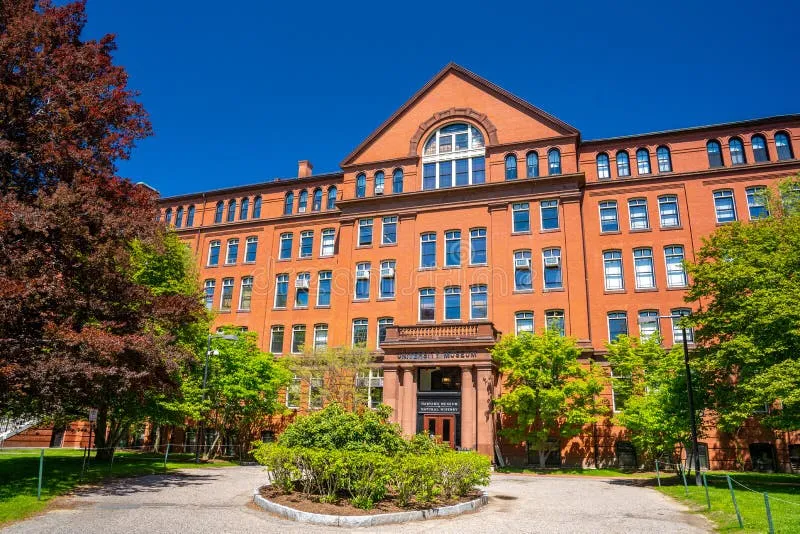 Photo: Harvard University, via thumbs.dreamstime.com