The Voice They Didn't Want to Hear
The letter arrived on a Tuesday in 1959, typed on official letterhead and devastating in its brevity. "Thank you for your audition. Unfortunately, your style doesn't fit our current programming needs. We wish you luck in your future endeavors."
Joan Baez stared at the rejection from the Newport Folk Festival, the third major venue to turn her down in as many months. At nineteen, she'd already been told her voice was too pure, too haunting, too different for commercial folk music. Club owners wanted something more palatable, more mainstream, more like what was already selling.
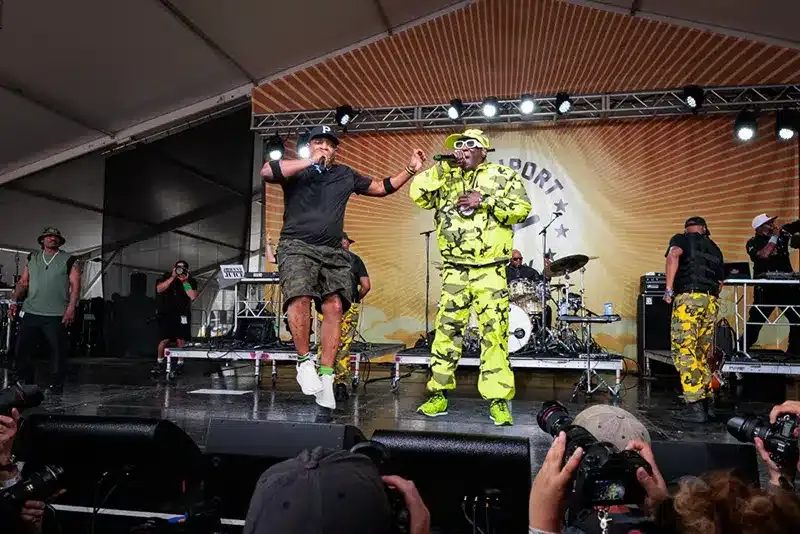 Photo: Newport Folk Festival, via www.popmatters.com
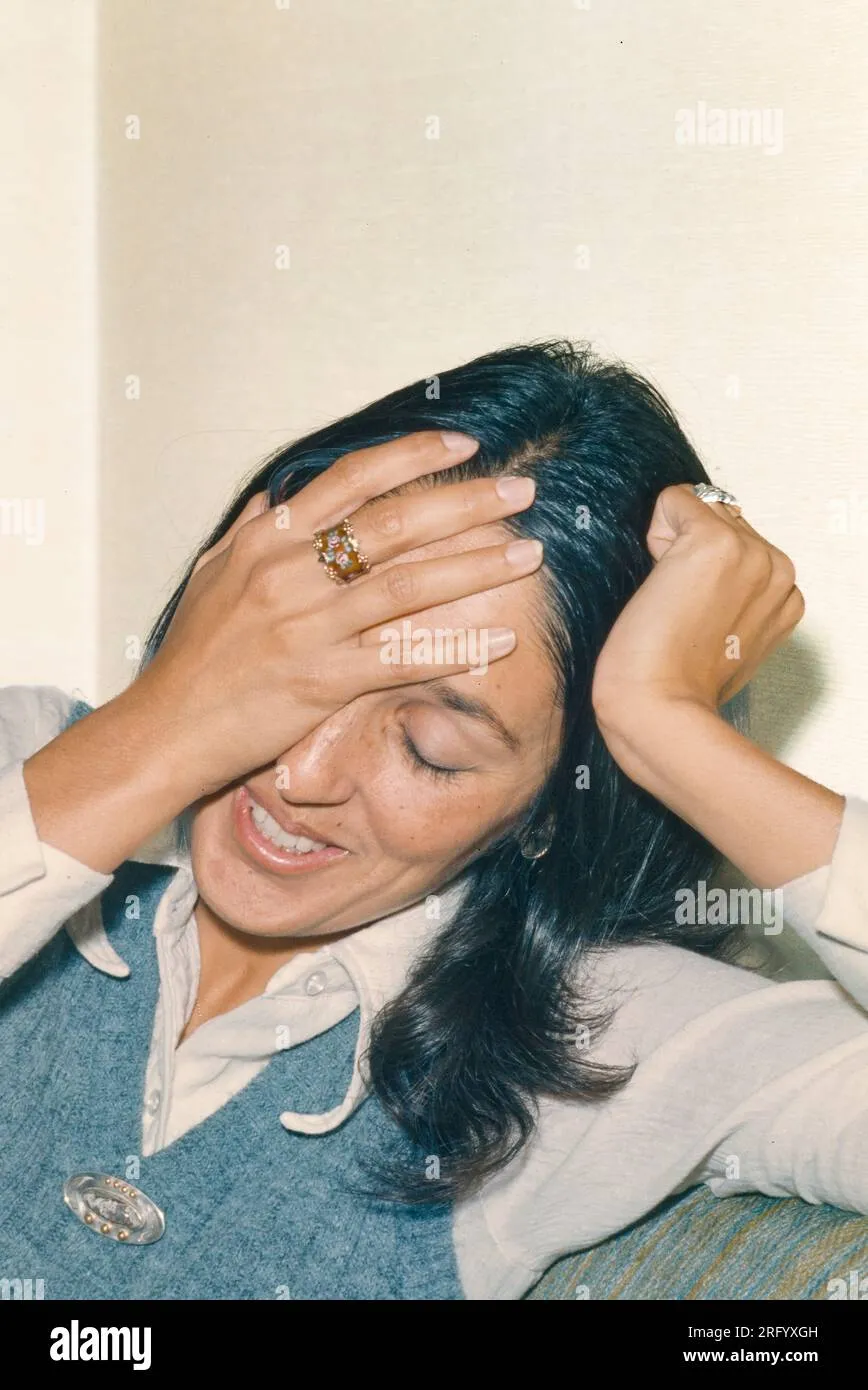 Photo: Joan Baez, via c8.alamy.com
What they didn't understand was that Joan Baez wasn't trying to fit in. And that refusal to conform would soon make her the most important voice of a generation.
The Sound of Something Different
Baez's voice had always been an outlier. Growing up in a Quaker household where her Mexican-American father and Scottish-Irish mother filled the house with everything from classical music to Mexican ballads, she developed a sound that belonged to no single tradition. Her soprano could soar to crystalline heights that seemed to pierce straight through to something essential and true.
But in the late 1950s folk scene, "essential and true" wasn't what promoters were buying. They wanted the sanitized, commercial folk that was starting to dominate radio — voices that were pretty but not challenging, memorable but not transformative.
"They kept telling me to sing more like the popular folk singers," Baez recalled years later. "But I couldn't be anyone else. I didn't know how."
Rejection as Refinement
Each rejection letter became a lesson in artistic integrity. When the Hungry i in San Francisco passed on her, citing her "unmarketable intensity," Baez didn't try to become less intense. When a Boston club owner suggested she "warm up" her delivery, she didn't compromise her crystalline precision. Instead, she doubled down on exactly what made her different.
She spent hours in her Cambridge apartment, working with just her voice and a guitar, stripping songs down to their emotional core. No backup, no production tricks, no commercial polish — just the raw power of a voice that could make "Mary Hamilton" sound like a prayer and "Barbara Allen" feel like a direct line to heartbreak.
The Breakthrough Nobody Saw Coming
By the summer of 1959, Baez had been rejected by every major folk venue on the East Coast. But when Newport Folk Festival founder George Wein heard her perform at a small club outside Boston, something clicked. Here was a voice that didn't sound like anything else — and maybe that was exactly what the world needed.
Her Newport debut was supposed to be a brief afternoon set, barely noticed in the program. Instead, it became the moment folk music changed forever. When Baez walked onto that stage with just her guitar and began singing "Virgin Mary Had One Son," thirteen thousand people fell completely silent.
"I'd never heard anything like it," remembered Pete Seeger, who was watching from the wings. "It was like she was singing directly to each person's soul."
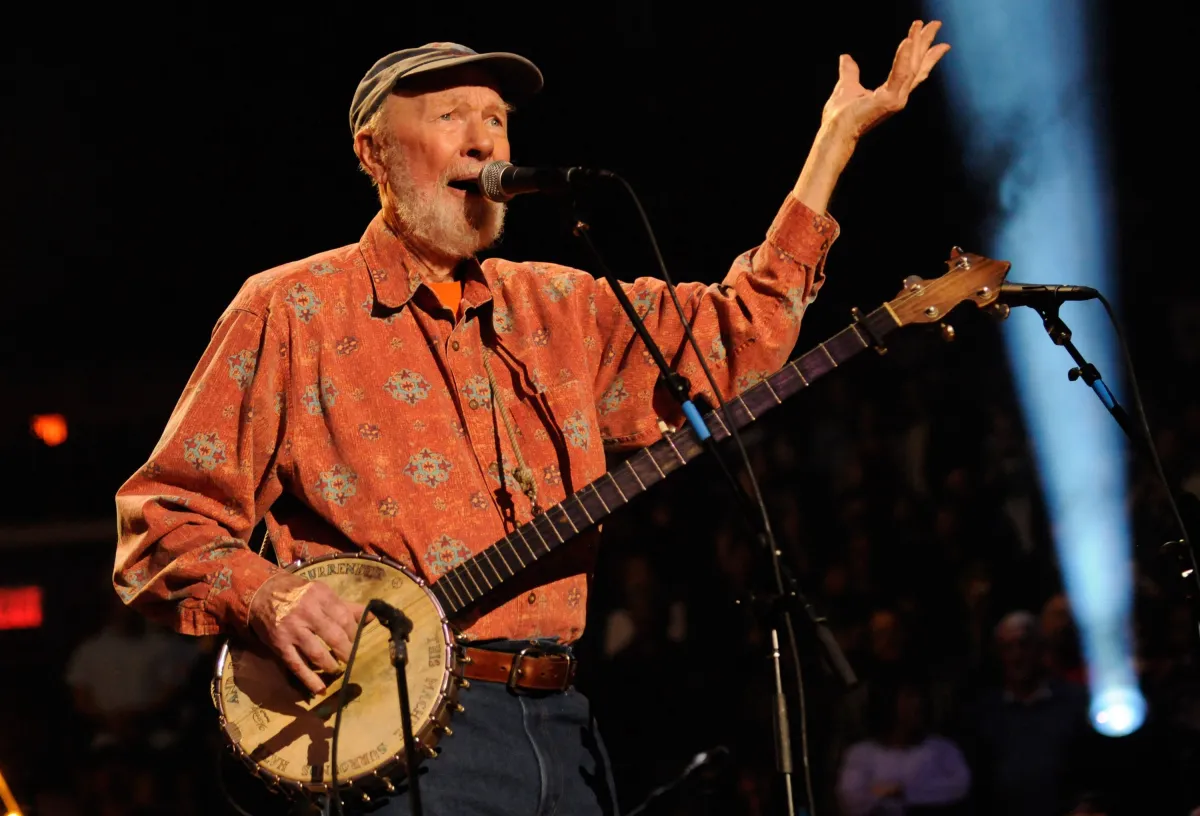 Photo: Pete Seeger, via www.thoughtco.com
When Different Becomes Essential
What happened next transformed not just Baez's career, but the entire trajectory of American protest music. That voice — the one that had been too unusual, too uncommercial, too different — became the sound of the civil rights movement. When she sang "We Shall Overcome" at the March on Washington, it wasn't just a performance; it was a declaration that beauty and justice were inseparable.
The same qualities that had gotten her rejected from folk clubs made her irreplaceable on the front lines of history. Her voice was too pure to ignore when she sang for freedom riders in the South, too powerful to dismiss when she performed for anti-war protesters, too authentic to question when she stood with César Chávez and the farmworkers.
The Rejection That Saved a Movement
Looking back, those early rejections weren't obstacles to Baez's success — they were essential to it. Each "no" forced her to dig deeper into what made her unique, to trust her instincts rather than market research, to believe that authenticity was more powerful than acceptability.
"If I had gotten those early bookings, I might have learned to sing what other people wanted to hear," she reflected decades later. "The rejection taught me that my job wasn't to give people what they expected. It was to give them what they didn't know they needed."
The Sound of Conscience
Joan Baez's story reminds us that the qualities that make us "unmarketable" are often the same ones that make us irreplaceable. Her voice was too different for the folk clubs of 1959, but it was exactly right for a nation struggling with its conscience in the 1960s.
Sometimes the greatest gift rejection can give us is the freedom to stop trying to be what others want us to be. In Baez's case, being turned away from the mainstream allowed her to find her true calling: not as entertainment, but as the voice of a generation that refused to accept injustice as inevitable.
The girl who was too strange for the folk clubs became the woman whose voice helped change America. And it all started with learning that being different wasn't a flaw to fix — it was a gift to share.