The Sound of Metal on Concrete
In rural Clarksville, Tennessee, in 1945, the sound of Wilma Rudolph's leg brace scraping against concrete announced her arrival long before anyone could see her. The twentieth of twenty-two children, born premature at four and a half pounds, Wilma had already survived more than most adults by the time she turned five.
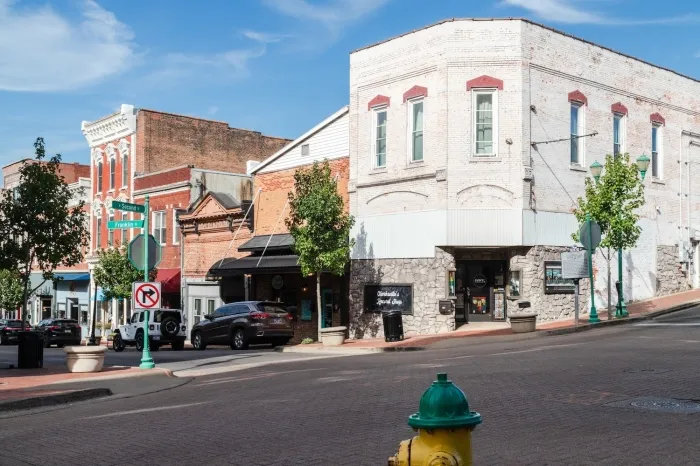 Photo: Clarksville, Tennessee, via cdn.christianpost.com
Polio, scarlet fever, and pneumonia had left her left leg twisted and weak. Doctors told her mother, Blanche, that Wilma would never walk normally. They recommended acceptance, adaptation, maybe a wheelchair.
Blanche Rudolph had a different plan.
The 90-Mile Journey to Hope
Twice a week, every week, for two years, Blanche loaded Wilma into their beat-up car for the 90-mile round trip to Nashville's Meharry Medical College. They couldn't afford the treatments, but the doctors there worked with Black families who had nowhere else to turn.
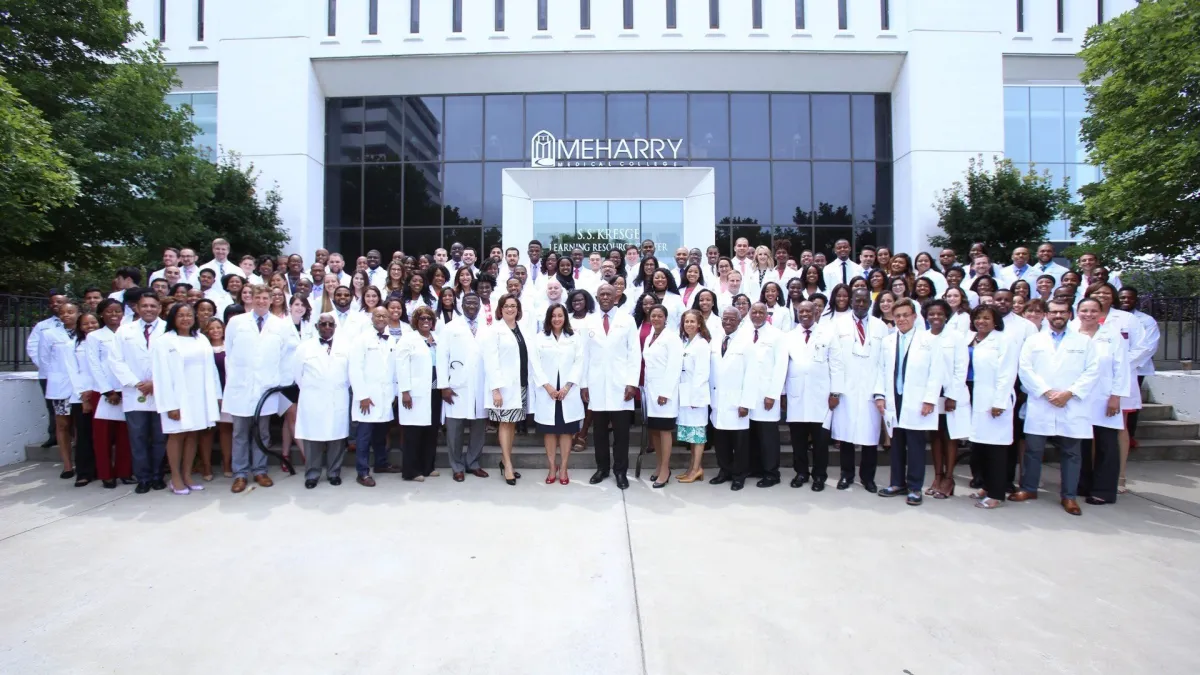 Photo: Meharry Medical College, via medresidency.com
The physical therapy sessions were brutal. Wilma would grip the parallel bars until her knuckles went white, forcing her twisted leg to support her weight. Other children played outside while she practiced walking in a sterile room that smelled like disinfectant and determination.
"Mama never let me feel sorry for myself," Wilma remembered years later. "She'd say, 'The good Lord gave you a strong mind and a strong heart. Don't you dare waste them feeling sorry for weak legs.'"
The Day the Brace Came Off
By age nine, Wilma had graduated from the metal leg brace to a special orthopedic shoe. But she had bigger plans. One Sunday, walking into the Bethel Baptist Church, she slipped off the shoe and walked barefoot down the aisle. Her family gasped. Her mother cried. Wilma never wore the special shoe again.
What happened next wasn't a miracle — it was the result of years of quiet, grinding work that nobody saw. While her siblings played, Wilma practiced walking. While other kids watched TV, she did the exercises the doctors had taught her. While her friends complained about chores, Wilma was grateful for any chance to move her legs.
"People think my story started in high school," she said decades later. "But it really started in that little room in Nashville, with a nine-year-old girl who decided she was going to walk like everybody else."
The Coach Who Saw Lightning
Ed Temple, the track coach at Tennessee State University, first spotted Wilma when she was fourteen, playing basketball for Burt High School. She wasn't the most skilled player, but something about her movement caught his eye. She didn't just run — she flowed.
"Most kids her age were still figuring out their bodies," Temple recalled. "But Wilma moved like she'd been thinking about every step for years. Because she had been."
Temple invited Wilma to his summer track program. She'd never run competitively, but within weeks, she was beating girls who'd been training for years. The kid who couldn't walk at five was suddenly the fastest teenager in Tennessee.
The Quiet Years That Built a Champion
What made Wilma extraordinary wasn't her speed — plenty of athletes are fast. It was her relationship with struggle. While other runners feared pain, Wilma had been negotiating with it since childhood. While others crumbled under pressure, she'd been performing under the weight of others' expectations since she first stood up.
During her high school years, Wilma would wake up at 5 AM to run before school, then stay after for basketball practice. She caught a bus to Nashville on weekends to train with Temple's college athletes. No scholarships yet, no guarantees, just the daily choice to keep moving forward.
"Nobody was watching then," she said. "No reporters, no scouts, just me and the track. That's when I learned that the real race isn't against other people — it's against the voice in your head that says you can't."
The Foundation of Gold
By the time Wilma stepped onto the track in Rome in 1960, she'd already won the most important race of her life. The three gold medals — in the 100 meters, 200 meters, and 4x100 relay — were just the visible proof of a victory that had been years in the making.
The world saw a twenty-year-old woman running faster than anyone ever had. But those who knew her story saw something different: a child who'd refused to accept limitations, a teenager who'd turned a disability into a superpower, a young woman who'd discovered that the distance between "can't" and "can" is measured not in meters, but in the willingness to take one more step.
Legacy Beyond the Track
After retiring from competition, Wilma became a teacher and coach, working with children who reminded her of herself. She'd tell them about the leg brace, about the long trips to Nashville, about the years when running seemed impossible.
"Your limitation is just your starting point," she'd say. "The question isn't whether you can overcome it. The question is: what are you going to build with it?"
Wilma Rudolph died in 1994, but her real legacy isn't the records she set or the medals she won. It's the proof she left behind that greatness isn't born from perfect circumstances — it's forged in the quiet moments when nobody's watching, by people who refuse to let the world define what's possible.
In a small town in Tennessee, that lesson still echoes in the sound of young feet hitting the track, running toward futures that once seemed impossible.