The Sound of Opportunity
The clatter of dishes hitting stainless steel was Miguel Santos's first American symphony. At seventeen, fresh from Michoacán with callused hands and forty-seven dollars to his name, the restaurant kitchen felt like a foreign planet. Steam rose from industrial dishwashers, orders flew in rapid-fire English, and the heat never stopped.
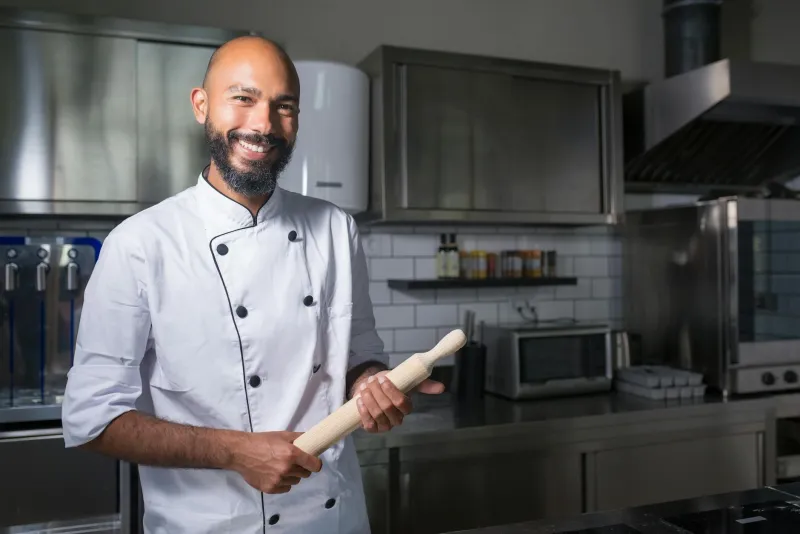
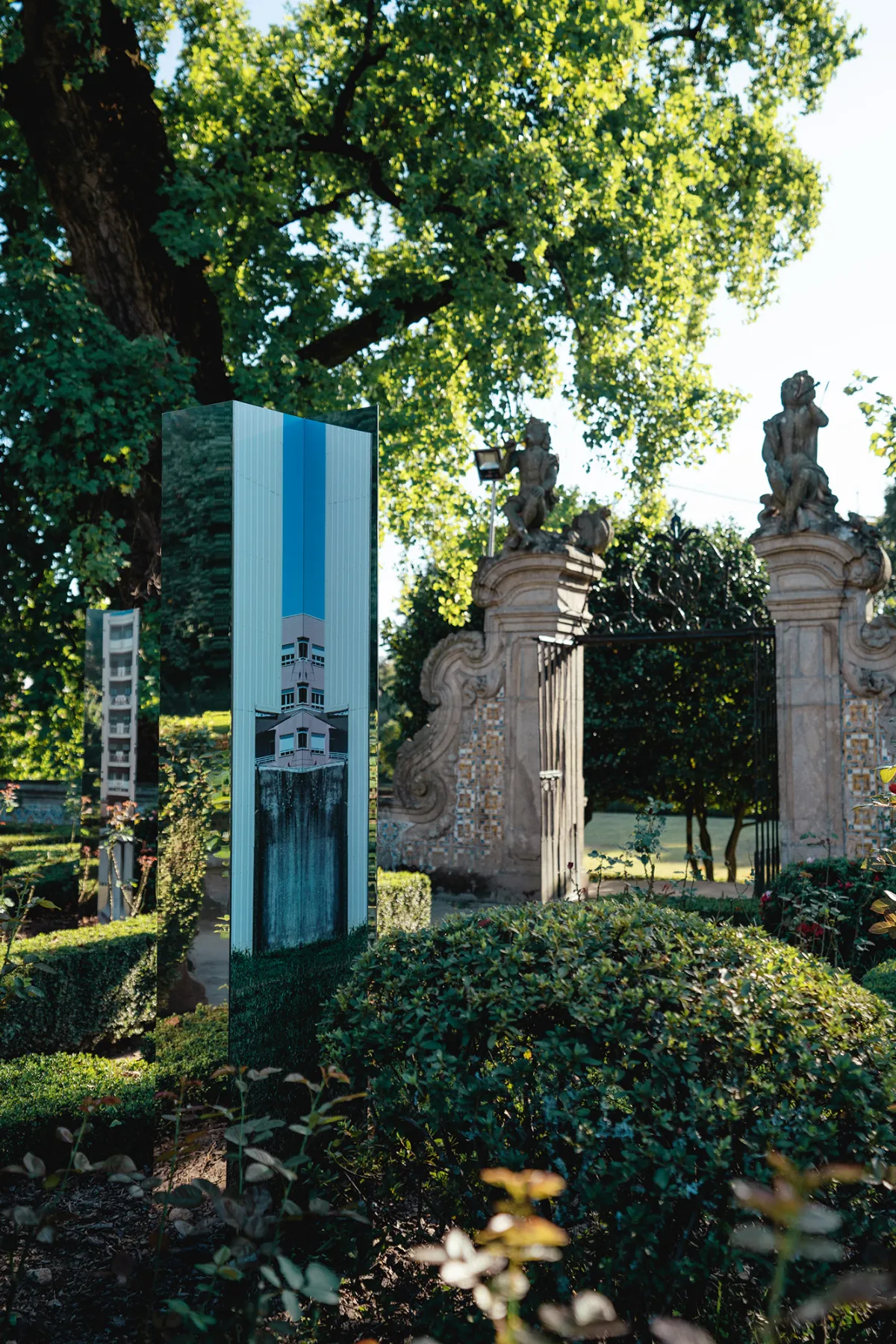 Photo: Miguel Santos, via freight.cargo.site
 Photo: Michoacán, via www.travelmexico.travel
Most people saw Miguel as invisible — another pair of hands to keep the plates clean. But Miguel saw something different in that chaos. He saw a classroom.
"I watched everything," he remembers three decades later, adjusting his James Beard Award on the mantle of his flagship restaurant. "The way they moved, the way they seasoned, the way they tasted. I was supposed to be washing dishes, but I was really going to culinary school."
Midnight Lessons in an Empty Kitchen
After the last customer left and the kitchen staff went home, Miguel's real education began. He'd stay behind, experimenting with leftover ingredients, teaching himself knife skills by mimicking what he'd observed during service. No textbooks, no formal instruction — just instinct, observation, and an immigrant's hunger to prove himself.
The breakthrough came during his third year washing dishes at Romano's, a mid-tier Italian place in Phoenix. The line cook called in sick during the dinner rush, and Miguel stepped forward. "I can do this," he told the panicked manager. The manager, desperate and out of options, handed him an apron.
That night, Miguel cooked his first professional meal. It wasn't perfect, but it was different. Where trained cooks followed recipes, Miguel followed his palate. Where culinary school graduates stuck to technique, Miguel trusted his instincts.
The Advantage of Not Knowing Better
What Miguel didn't realize was that his outsider status was becoming his greatest asset. While formally trained chefs learned to cook within established traditions, Miguel was inventing his own. He combined the flavors of his childhood in Mexico with the techniques he'd absorbed by watching, creating something entirely new.
"I didn't know you weren't supposed to put mole on a burger," he laughs. "I didn't know you couldn't mix French technique with street food. I just knew what tasted good."
This fearlessness caught the attention of food critics who were growing tired of the same predictable menus. When Miguel finally opened his own restaurant in 2003, the reviews were electric. "Santos cooks like someone who learned the rules by breaking them," wrote the Phoenix New Times. "His food doesn't just taste different — it tastes like the future."
Building an Empire on Authenticity
Today, Miguel operates six restaurants across three states, each one a testament to the power of outsider perspective. His flagship, Corazón, has a three-month waiting list and a James Beard Award for Outstanding Chef. Food & Wine magazine calls him "the most important voice in modern American cuisine."
But Miguel hasn't forgotten those early years washing dishes. Every new hire at his restaurants starts in the dish pit, regardless of their culinary credentials. "I want them to see the whole picture," he explains. "To understand that great food comes from respect — for ingredients, for process, for the people who make it happen."
The Revolution Continues
Miguel's story represents something larger than individual success. In an industry traditionally dominated by European-trained chefs and classical technique, he proved that authenticity and innovation could come from anywhere — especially from those the establishment overlooked.
His cookbook, "Corazón: Recipes from the Heart of America," became a bestseller not because it revealed professional secrets, but because it showed home cooks that great food comes from passion, not pedigree. The dedication reads: "To every dishwasher who dreams of something more — your time will come."
Today, Miguel mentors young immigrant cooks through his foundation, providing scholarships and job placement for those who remind him of his younger self. "Talent doesn't care about your papers," he says. "It doesn't care where you went to school or what language you speak at home. Talent just needs a chance to show itself."
In a kitchen in Phoenix, that chance arrived with the sound of breaking dishes and the dreams of a teenager who refused to stay invisible. Miguel Santos didn't just become a great chef — he redefined what American greatness could look like, one extraordinary meal at a time.