The Last Garden
In 1916, in a place called Freetown, Virginia, a baby girl was born into a world that most Americans would never see on any menu. Edna Lewis entered life in a community founded entirely by freed slaves, including her own grandfather, where families grew what they ate and ate what the seasons offered. No grocery stores. No restaurants. Just the ancient rhythm of seed, soil, and supper table.
 Photo: Freetown, Virginia, via virginialiving.com
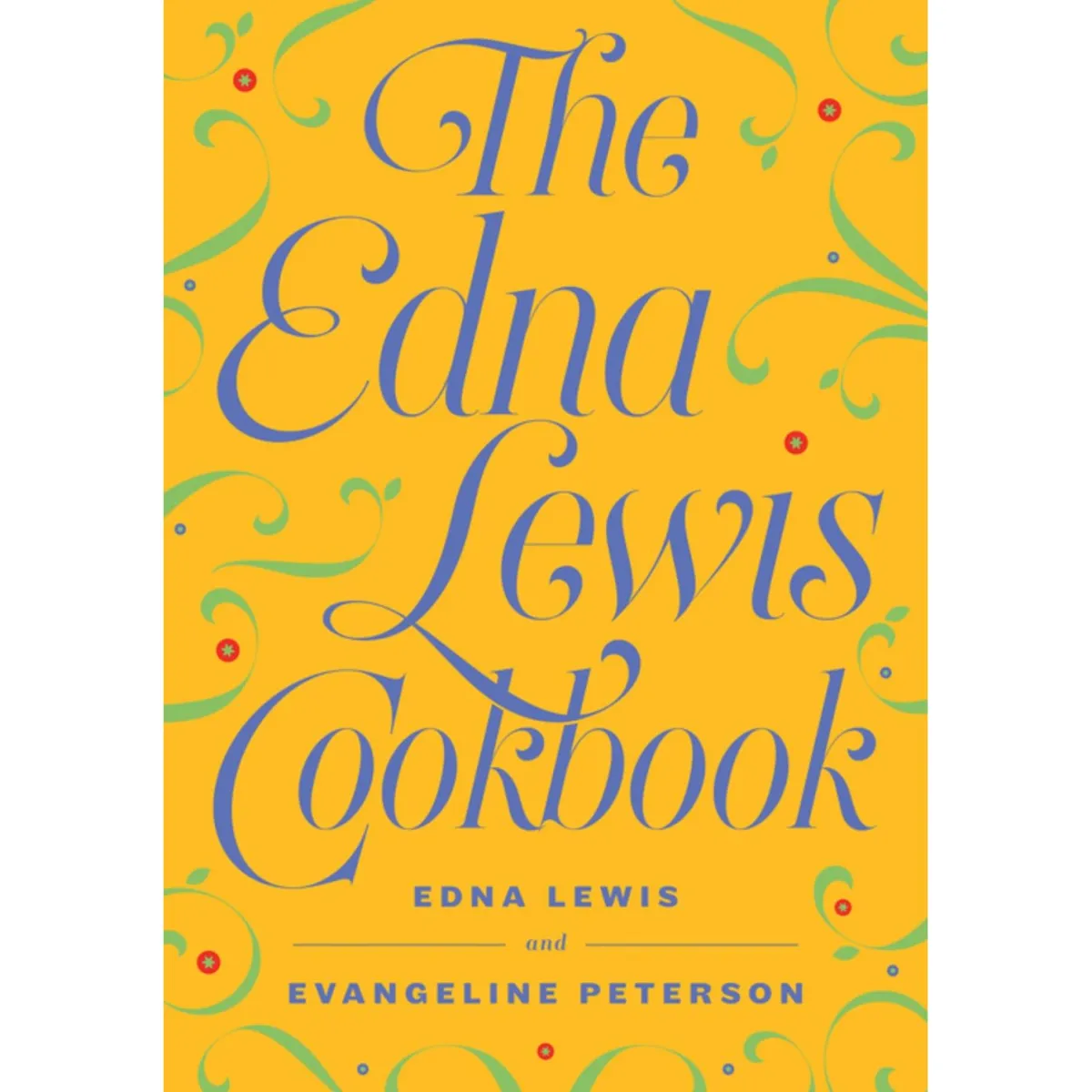 Photo: Edna Lewis, via boldforkbooks.com
Most people would call this poverty. Edna Lewis would later call it the greatest culinary education in America.
When Hunger Became Heritage
Freetown wasn't just a place—it was a living cookbook written by people who had turned survival into art. Every family knew how to cure ham in the smokehouse, how to read the signs that told them when wild greens were ready for picking, how to make something magnificent from whatever the land provided.
Lewis absorbed these lessons not through formal instruction, but through the daily rituals of a community that had no choice but to be self-sufficient. She learned that great food wasn't about exotic ingredients or complicated techniques. It was about understanding the conversation between human hands and the natural world.
While other children her age were learning to read from books, Lewis was learning to read the landscape—when to harvest, how to preserve, why certain combinations of flavors worked together like old friends.
The Migration North
In the 1940s, like thousands of other young Black Americans, Lewis left the South for New York City. She carried with her no culinary credentials, no formal training, no connections in the food world. What she brought was something far more valuable: the accumulated wisdom of a community that had been cooking with intention and creativity for generations.
 Photo: New York City, via storage.needpix.com
New York in the post-war era was a city hungry for authenticity, though it didn't yet know what it was looking for. Lewis found work in various kitchens, watching professional cooks struggle to create the kind of flavors that had been second nature to her since childhood.
The difference wasn't just technique—it was philosophy. While trained chefs followed recipes, Lewis followed instincts that had been honed by necessity and refined by tradition.
The Accidental Revolution
In 1976, Lewis published "The Taste of Country Cooking," a cookbook that would quietly transform American cuisine. But this wasn't a collection of recipes in any traditional sense. It was a manifesto disguised as a cookbook, arguing that the best food comes from understanding place, season, and community.
The book arrived at a moment when American cooking was becoming increasingly industrialized and disconnected from its sources. Lewis offered something radical: the idea that sophistication meant simplicity, that luxury meant knowing where your food came from, that the highest form of cooking was the kind practiced by people who had never heard the word "gourmet."
Food critics and chefs who had spent years studying French techniques suddenly found themselves trying to understand why a woman with no formal training could create flavors they had never imagined.
The Wisdom of Forgotten Places
What Lewis understood—and what the culinary establishment was slowly learning—was that America's greatest food traditions had been hiding in plain sight. The techniques she described weren't primitive versions of "real" cooking; they were sophisticated systems developed by people who had to make every ingredient count.
Her approach to cooking was fundamentally different from the professional kitchen model. Where others saw recipes as formulas to be followed, Lewis saw them as starting points for conversations with ingredients. Where others sought to control every variable, Lewis taught the art of collaboration with natural processes.
The irony wasn't lost on her: the same food traditions that had been dismissed as "country cooking" or "soul food"—terms that carried their own subtle condescension—were suddenly being recognized as the foundation of authentic American cuisine.
Legacy of the Outsider
By the time Lewis died in 2006, she had become one of the most respected food writers in America. Chefs who had trained at the finest culinary schools spoke of her as a master. Food writers called her the "Grande Dame of Southern Cooking." She had received every major culinary award the industry could bestow.
But perhaps her greatest achievement was proving that expertise doesn't always come from institutions. Sometimes it comes from communities that have been cooking with purpose for so long that technique becomes instinct, and instinct becomes art.
Lewis never forgot that her knowledge came from a place most Americans had never seen—a small community of people who had transformed the basic human need to eat into something approaching the sacred. She spent her career translating that wisdom for a world that was just beginning to understand what it had been missing.
In the end, Edna Lewis didn't just change how America cooked. She changed how America thought about where good food comes from. And it turned out the answer had been growing in forgotten gardens all along.